



Selling a property involves many connected decisions. Pricing, presentation, marketing, negotiations, inspections, and closing requirements can influence the final outcome. Without an organized process, sellers may face delays, unexpected expenses, or avoidable uncertainty.
William Reynoso Seller Services can provide a structured path from early preparation through closing. The process should help homeowners understand each stage and make decisions using current property information. Clear communication remains essential because every sale presents different priorities and risks.
Some homeowners need a rapid sale because of relocation or financial commitments. Others can wait for terms that better support their plans. A useful selling strategy reflects the owner’s timeline, property condition, market position, and preferred level of preparation.
Professional guidance cannot guarantee a particular price or closing date. However, it can help sellers evaluate options, prepare documentation, and respond to changing circumstances. A transparent plan creates stronger coordination and gives homeowners greater confidence throughout the transaction.
Establishing the Right Strategy Before Listing
A successful sale begins before photographs or advertisements are prepared. Sellers should define their timeline, financial goals, and practical limitations. These details affect pricing, preparation, showing availability, and offer evaluation. A strategy built around the seller’s circumstances is easier to manage.
Property condition deserves an objective review. Small repairs may improve presentation, while larger projects require careful financial consideration. Not every renovation returns its full cost. Sellers should prioritize work that addresses visible neglect, safety concerns, or functional problems.
Pricing requires more than selecting a desirable number. Recent comparable sales, current competition, property condition, and buyer demand can influence positioning. Active listings reveal competition, but completed transactions provide evidence of actual buyer decisions. The final strategy should remain responsive to new information.
Presentation helps buyers understand the property. Cleaning, decluttering, lighting, and thoughtful furniture placement can improve the viewing experience. Authentic presentation remains important because buyers may distrust images that conceal significant details. Marketing should create interest without misrepresenting the home.
|
Selling Area |
Common Challenge |
Organized Approach |
Seller Benefit |
|
Pricing |
Emotional price expectations |
Review current comparable evidence |
More realistic positioning |
|
Preparation |
Spending on unnecessary projects |
Prioritize useful improvements |
Better budget control |
|
Presentation |
Cluttered or inconsistent spaces |
Create a clear viewing experience |
Stronger first impression |
|
Marketing |
Generic property descriptions |
Highlight accurate distinctions |
Better buyer understanding |
|
Showings |
Limited access or poor scheduling |
Establish an availability plan |
Fewer missed opportunities |
|
Offer review |
Comparing price alone |
Evaluate complete contract terms |
Clearer decisions |
Presenting and Marketing the Property Effectively
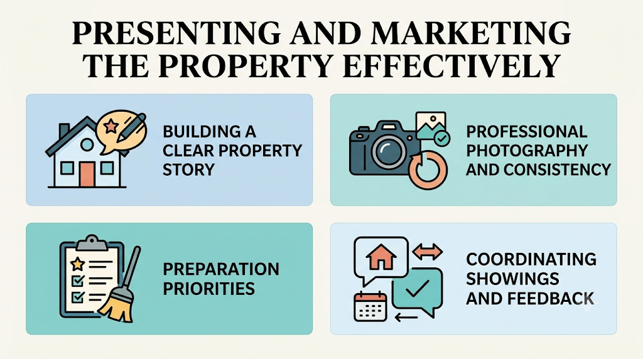
Property marketing should communicate practical value while creating genuine interest. Buyers want to understand layout, condition, location, features, and possible limitations. Accurate information attracts more suitable prospects and reduces disappointment during showings.
Build a Clear Property Story
Every home has characteristics that affect its appeal. These may include room arrangement, outdoor space, storage, renovations, community features, or convenient access. Marketing should explain these qualities without unsupported claims. Specific descriptions are often more useful than exaggerated language.
Professional photography can improve online presentation when images remain accurate. Rooms should appear bright, organized, and proportionate. Overediting may create unrealistic expectations. Floor plans or additional visual materials can help buyers understand how spaces connect.
Property details should remain consistent across marketing channels. Conflicting room counts, measurements, or feature descriptions can create confusion. Sellers should review important information before publication. Known material facts should be handled according to applicable disclosure requirements.
Useful preparation priorities include:
- Addressing visible maintenance concerns before photography
- Removing distractions that make rooms feel crowded
- Organizing property records and improvement documentation
- Confirming accurate features, measurements, and included items
Coordinate Showings and Buyer Feedback
Showing access should balance convenience with security and privacy. Sellers need clear instructions about scheduling, notice periods, and property access. Personal documents, medications, valuables, and sensitive information should remain secured. Visitors should follow an appropriate access process.
The property should feel comfortable without appearing artificially staged. Clean rooms, working lights, moderate temperatures, and accessible spaces support productive tours. Strong odors or excessive personal items may distract buyers. Simple preparation often creates the clearest impression.
Feedback can reveal recurring concerns about condition, layout, price, or presentation. One comment may reflect personal preference, but repeated observations deserve attention. Sellers should evaluate patterns calmly. Adjustments should follow evidence rather than every individual opinion.
William Reynoso Seller Services can support coordination between preparation, marketing, showings, and feedback. This connected process helps sellers understand how buyers respond. It also provides information for possible changes when interest remains limited.
Comparing Planned Representation With an Unstructured Sale
An unstructured sale often begins with a listing decision before financial and practical details are settled. Sellers may choose a price emotionally, complete repairs during active marketing, and address documents late. This can increase pressure when an offer arrives.
Planned representation establishes responsibilities and timelines earlier. Pricing evidence is reviewed before launch. Property materials are prepared consistently, and offer comparisons follow defined criteria. The process still requires flexibility, but decisions have a clearer foundation.
Consider two sellers with similar properties. The first focuses mainly on the desired price and begins marketing immediately. The second estimates costs, completes priority repairs, prepares records, and discusses negotiation boundaries. Their experience can differ even when both attract offers.
Planned Seller Support Versus Unstructured Selling
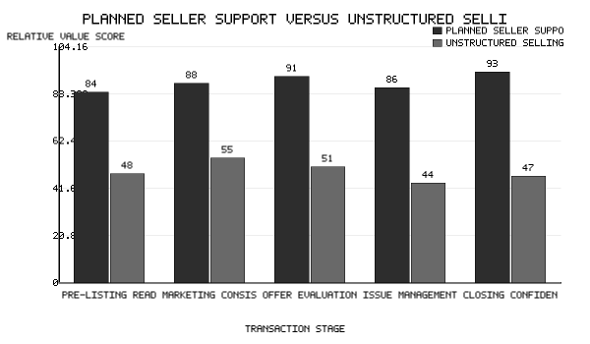
- Pre-Listing Readiness: Planned Seller Support leads at 84, compared to 48 for Unstructured Selling.
- Marketing Consistency: Planned Seller Support increases to 88, while Unstructured Selling reaches 55.
- Offer Evaluation: Planned Seller Support rises to 91, whereas Unstructured Selling falls to 51.
Navigating Offers, Inspections, and Closing
Offer review should begin with the seller’s established goals. Price matters, but the complete agreement determines practical value. Financing conditions, contingencies, closing schedules, and requested personal property can influence the decision. Sellers should avoid responding before understanding the major terms.
A practical transaction sequence includes:
- Compare price, financing, contingencies, and proposed closing dates.
- Review inspection findings and requested repairs carefully.
- Track contractual deadlines and required documentation.
- Confirm closing figures and remaining obligations before signing.
Inspections may identify routine maintenance or significant concerns. Sellers should review requests rather than reacting emotionally. Options may include completing repairs, offering credits, adjusting terms, or declining certain changes. The contract and professional advice should guide the response.
Appraisal issues can affect financed transactions. If the valuation differs from the contract price, the parties may need further discussion. Sellers should understand available options before agreeing to revisions. No solution fits every situation.
Closing preparation includes reviewing financial statements and confirming required documents. Mortgage payoff information, identification, repair receipts, keys, and access devices may be necessary. Sellers should verify instructions directly with trusted transaction professionals. Unexpected payment requests deserve immediate independent confirmation.
After closing, important documents should remain securely stored. Sellers may need them for tax preparation or future questions. They should also remove personal access from smart devices and connected property systems. These final details complete the transition responsibly.
Moving Forward With Greater Selling Confidence
William Reynoso Seller Services can help homeowners organize the many decisions involved in selling a property. Effective support should connect pricing, preparation, marketing, negotiation, and closing. Each stage becomes easier to understand when responsibilities remain clear.
Sellers benefit from accurate information and realistic expectations. Market conditions can change, buyers may negotiate, and inspections can reveal unexpected concerns. A flexible plan helps homeowners respond without losing sight of their main goals.
No professional can guarantee a sale price, timeline, or transaction outcome. Legal, financial, and tax questions should receive advice from qualified specialists. Property-specific evidence should guide every significant choice.
A successful selling experience involves more than reaching the closing date. William Reynoso emphasizes informed decisions, careful coordination, and transparent communication throughout the home-selling process. With a structured approach and professional real estate guidance, sellers can protect their interests and move toward their next chapter with greater confidence and clarity.